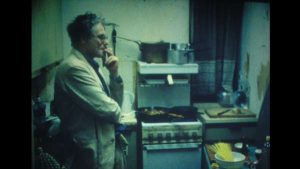
The Defenestrascope
Throwing the view through windows from monumental towers in contemporary medieval European city and town. This eccentric exploration of urbanised space revolves around a setting

Throwing the view through windows from monumental towers in contemporary medieval European city and town. This eccentric exploration of urbanised space revolves around a setting
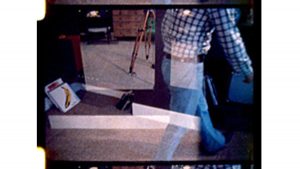
‘Constructed on a pre-determined progressively self-defining ‘phased’ score and lens-matting procedure, Phased Time2 consists of six sections, each out of a 100ft roll. All work
daz07/02/012038 uses an intricate form of editing to remodel time, establishing a rhetoric that questions the provision of motion in film’s pictorial space through the
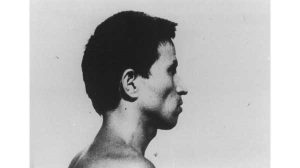
Iimuras DANCE PARTY (IN THE KINGDOM OF LILLIPUT ) is a work of obvious appeal to the American sensibility. At once rollickingly humorous (its comedy
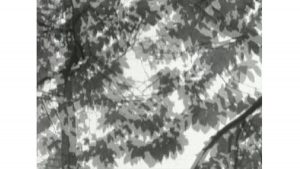
The first embodiment of (a) concept of structural activity in cinema comes in Kren’s Bäume im Herbst, where the camera as a subjective observer is
Separate Incidents is composed of a series of long takes which are subsequently modified by a recurring device: the intrusion of objects into the frame
Picture Planes * and Focal Lengths attempt to develop ideas established in the earlier double screen film, Five Bar Gate*, in that the nature of
The film takes place in one room. A sequence of separate shots is filmed from a static camera position, but for each shot the camera’s
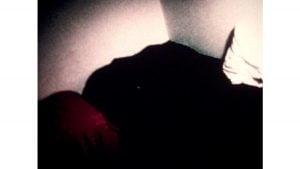
I liked your Room Film very much. It is very good…I felt as if my father had made it, as if it was made by
This film presents in the order that they were filmed, six different viewpoints of merry-go-round. In each case the focus is adjusted so as to
“A collection of nine short films in which cinematic representation has been altered through optical printing techniques, as well as the application of numerical systems
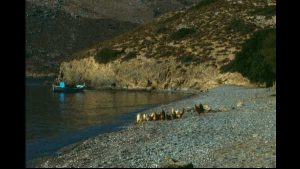
The Film FRIDAY FRIED mixes sound images in a strictly procedural manner based upon a relationship with the picture track which itself is structured around
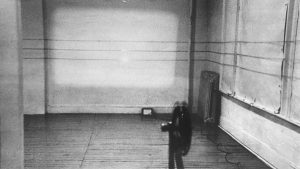
Timing 1, 2, 3, 4 (A part of MODELS Reel 1, 1972) ‘Timing 1, 2, 3, 4 consists of four 100 foot films which have
The sixth in a group of eight “Visible Inventories” in various media (2 films, 2 photo grids, 1 videotape, and 2 natural light installations) which