The Umpire Whispers
‘The Umpire Whispers’ is an exploration of the intimacy that arises between a swimming coach and an athlete. In the film, Manna returns to meet her coach

‘The Umpire Whispers’ is an exploration of the intimacy that arises between a swimming coach and an athlete. In the film, Manna returns to meet her coach

BLESSED BLESSED OBLIVION weaves together a portrait of masculine performativity in East Jerusalem, as manifested in gyms, body shops and hair dressing parlors. Inspired by

Wayfaring Stranger charts the life of an itinerant character, embodied by seven performers, across seven days, representing seven decades. Running from the city, through post-industrial
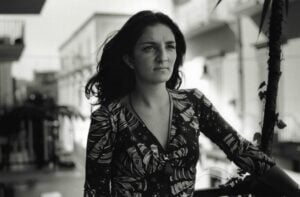
Margaret Salmon’s three films collectively titled Ninna Nanna, depict the experience of three Italian mothers raising their children, with the films linked by a traditional
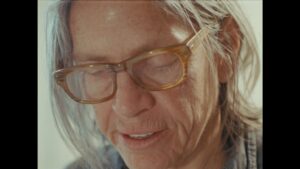
A portrait of American poet Eileen Myles. Outtakes from the filming of I HOPE I’M LOUD WHEN I’M DEAD.
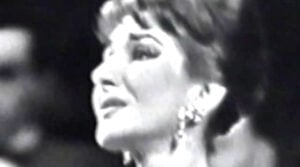
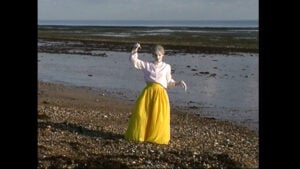
Double Exposure re-stages photographs of Pucill and her once partner, filmmaker Sandra Lahire that were made collaboratively shortly before Lahire’s death from anorexia in 2001.

An experimental feminist opera-film about class and conflict, ‘History of the Present’ has been made collaboratively by Maria Fusco and Margaret Salmon, featuring new compositions
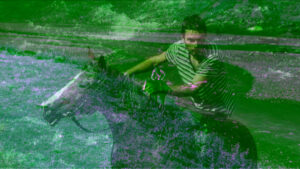
First film in Medoidze’s Tusheti Trilogy, Xitana is centred around a bareback horse race tradition in Tusheti mountains – a display of masculinity as much


A Blemished Code gives voice through spoken and sung script to the work and life of artist Margaret Benyon, a pioneer in the use of